한국차의 맛과 전통을 경험하세요
Experience the Taste & Tradition of Korean Tea
Korean Seasonal Tea Guide
Discover authentic Korean tea traditions that harmonize with nature’s seasonal rhythms
Choose Your Season
Spring Tea Traditions
Cultural Tradition
Korean families traditionally begin drinking lighter, fresher teas as cherry blossoms bloom, marking the transition from winter’s warming teas to spring’s renewal varieties. Many Korean tea ceremonies during spring focus on appreciation for nature’s awakening.
Spring Benefits
Spring Benefits
Spring Benefits
Spring Brewing Tips
Summer Tea Traditions
Cultural Tradition
Korean restaurants and households serve cold barley tea as the standard summer beverage. Traditional Korean medicine recognizes summer as a time when the body needs cooling foods and drinks to maintain balance during hot weather.
Summer Benefits
Summer Benefits
Summer Benefits
Summer Brewing Tips
Autumn Tea Traditions
Cultural Tradition
Autumn brings Korean families back to warming teas and traditional preparations. This season marks the transition from cooling summer drinks to the nourishing, strengthening teas that will sustain through winter months.
Autumn Benefits
Autumn Benefits
Autumn Benefits
Autumn Brewing Tips
Winter Tea Traditions
Cultural Tradition
Winter is the season for Korean families to enjoy their most warming and nourishing teas. Traditional Korean medicine emphasizes building internal warmth and strength during winter months through warming foods and teas.
Winter Benefits
Winter Benefits
Winter Benefits
Winter Brewing Tips
Discover Authentic Korean Tea Culture
Welcome to Seoulful Tea, where East meets West in a perfect cup. Our passion for Korean tea began in the bustling tea houses of Seoul, where we discovered the profound traditions and exceptional flavors that make Korean tea truly special.
From the delicate notes of Korean green tea to the robust warmth of traditional herbal blends, we guide you through an authentic journey of taste, culture, and wellness. Whether you’re a curious beginner or a seasoned tea enthusiast, our carefully curated recommendations help you find the perfect Korean tea for every moment.
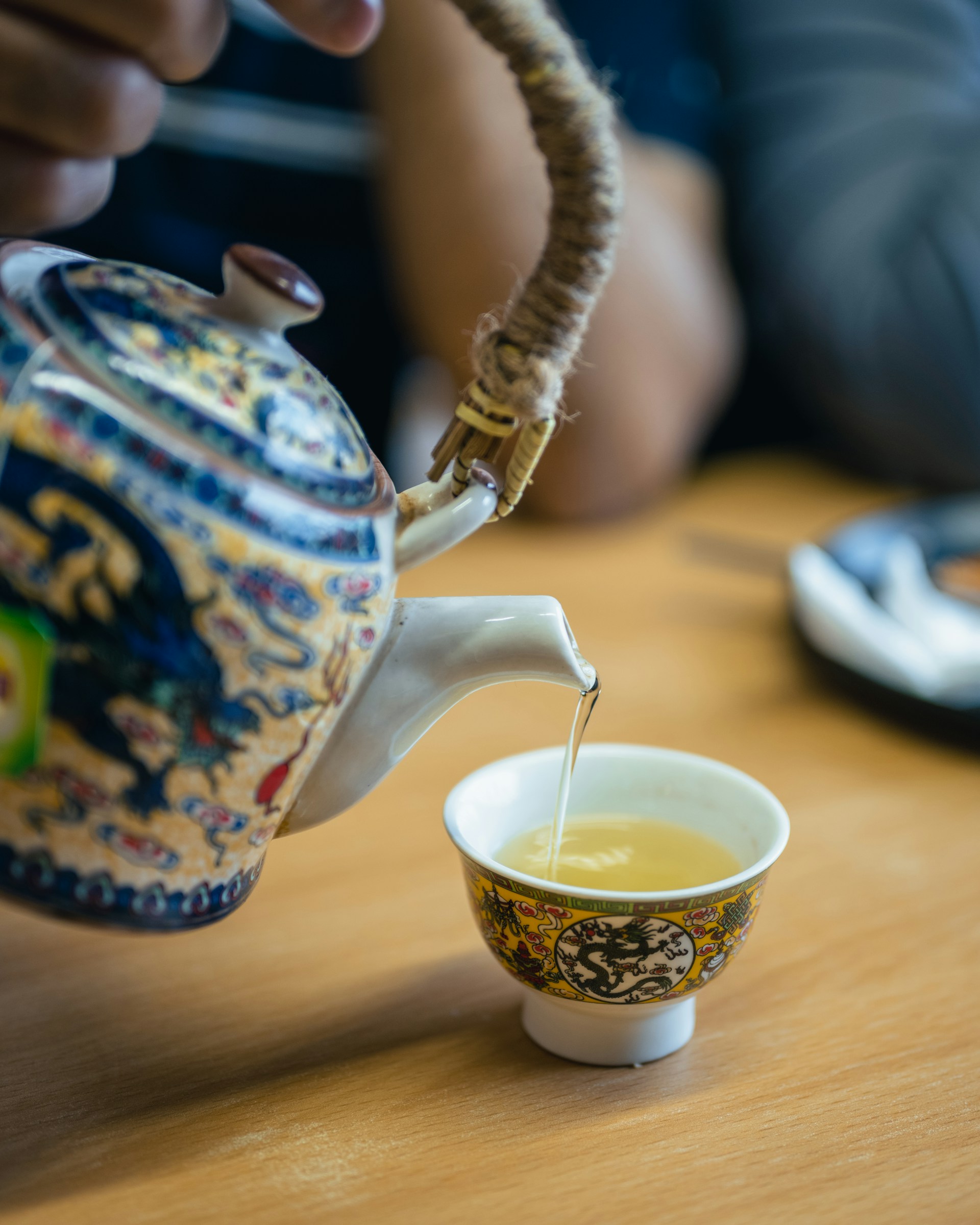
Types of Tea
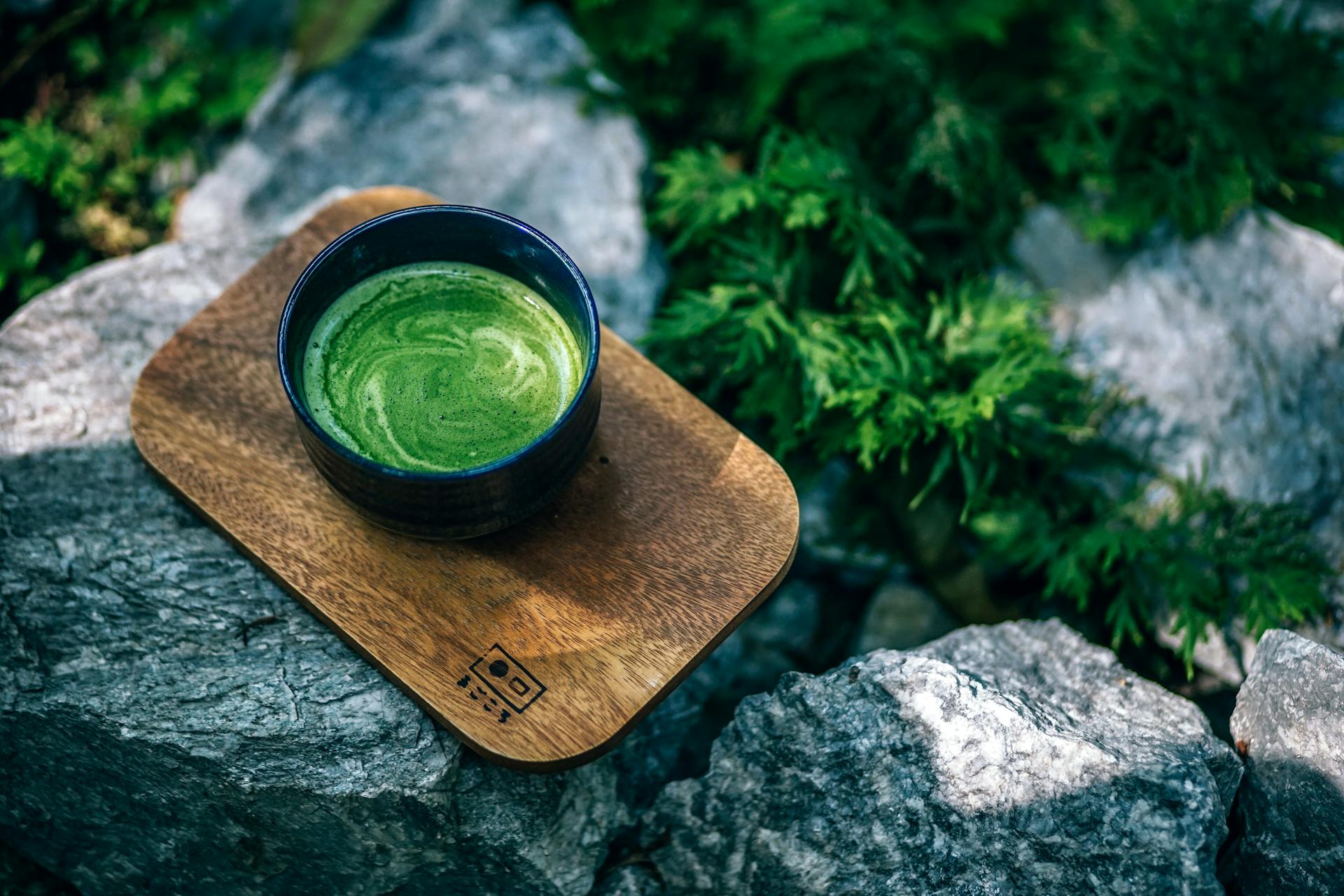
Green Tea (Nokcha)
Discover the gentle elegance of Korean green tea, where centuries of traditional hand-processing create naturally sweet, smooth flavors without bitterness. From the rolling hills of Boseong to the volcanic slopes of Jeju Island, Korean nokcha offers a uniquely mellow tea experience that reflects Korea’s contemplative tea traditions and masterful cultivation techniques.
Herbal Teas
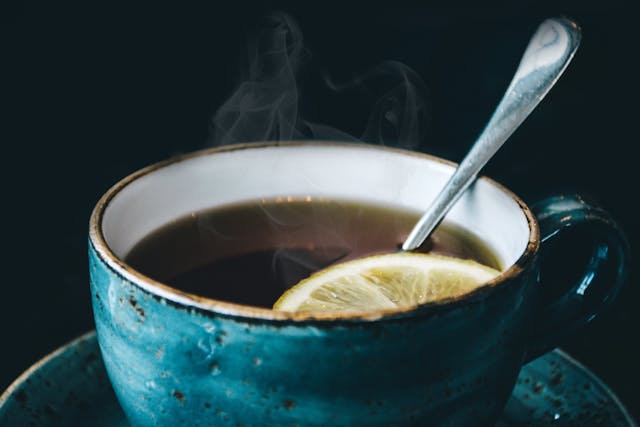
Experience Korea’s caffeine-free tea traditions through authentic herbal varieties enjoyed in Korean homes for generations. From world-renowned Korean ginseng with its distinctive earthy character, to comforting barley tea served at every Korean table, these traditional teas offer unique flavors and cultural connections. Rooted in Korean family traditions, each herbal tea provides authentic taste experiences while honoring centuries of cultural wisdom.
Read Our Posts
- A Beginner’s Guide to Korean Tea Tasting: Developing Your Palate and Appreciation
 Korean tea offers a journey of discovery that rewards patience, attention, and an open mind. Unlike wine tasting with its complex vocabulary and intimidating rituals, Korean tea tasting emphasizes mindful appreciation and personal enjoyment. Whether you’re sampling your first cup of nokcha or exploring the… Read more: A Beginner’s Guide to Korean Tea Tasting: Developing Your Palate and Appreciation
 - The Art of Korean Tea Brewing: A Journey Into Mindful Preparation
 There’s something magical about the first time you properly brew Korean tea. The gentle steam rising from your cup, the earthy aroma filling the air, and that moment when you realize you’re not just making a drink – you’re participating in a ritual that has… Read more: The Art of Korean Tea Brewing: A Journey Into Mindful Preparation
 - The Story Behind Korea’s Famous Tea Regions: Where Geography Meets Tradition
 Korea’s tea culture spans over 1,500 years, with certain regions becoming legendary for producing exceptional teas that capture the essence of Korean terroir. From the misty slopes of Boseong to the ancient groves of Hadong, each tea region tells a unique story of geography, climate,… Read more: The Story Behind Korea’s Famous Tea Regions: Where Geography Meets Tradition
서울에서 저지까지, 한국차 문화를 함께 나누어요
From Seoul to Jersey, sharing Korean tea culture together